

<span class="vcard">Olivia Jones</span>
Olivia Jones
Olivia Jones

How I Finally Got My Home to Match My Aesthetic (And Why the Air Quality Was the Last Piece)

I used to think “matching my aesthetic” meant I needed better objects. I chased the look with a new rug, a warmer lamp, and a chair that felt like it came from a magazine photo. I set rules for myself. I picked a color palette, and I stuck to it. I chose materials that looked calm and felt good in my hands.

I got close. Then I would walk into the room and feel something was still off.

The room looked clean. The room did not feel clean.

I noticed it most at night. The light looked soft, but the air felt stale. The couch looked fresh, but a musty smell showed up after rain. The shelves looked styled, but dust sat on them again two days later. I also felt hot in one corner and cold in another, even though the thermostat said the house was “fine.”

I did not know it yet, but the air was the last piece.

I started with the visible stuff, like most people do

I began with the parts that show up in photos. I started with furniture because furniture sets the tone fast. I bought a few pieces, and I chose pieces with better shape. I avoided anything that felt bulky. I picked one “anchor” item per room, and I kept the rest simple.

I made one mistake early. I bought a coffee table that looked great online. It looked flat in my living room. The wood tone fought my floors. I learned a basic lesson that saved me later: I need to test big choices in my real light.

So I worked on lighting next.

Lighting gave me the mood, but it did not fix the feeling

Lighting changed everything. Lighting also showed me what I did not want to see.

I switched my bulbs to a warmer temperature. I added a floor lamp near the sofa. I put a small lamp on a shelf for a low glow at night. I used dimmers where I could. I stopped using the overhead light as my default.

The room instantly looked more “me.” The room also revealed dust in the beam of the lamp. I would sit down with a book and see tiny particles float by. I felt like I lived inside a snow globe made of lint.

I laughed the first time I noticed it, because it felt dramatic. Then I noticed it again. Then I started to feel annoyed.

Scent made the space feel personal, but it also exposed a problem

I care about scent. Scent sets memory fast. Scent also makes a home feel lived in, in a good way.

I tried candles. I tried reed diffusers. I tried simmer pots with citrus and herbs. I found a few scents that felt like my style. I liked clean woods, soft musk, and light tea notes.

But I had a weird pattern. The nice scent would sit on top of a stale smell. The stale smell would come back as soon as the candle went out. The stale smell also got worse in certain spots, like the entry closet and the corner near the hallway vent.

I kept thinking I needed a “better” candle. I did not need a better candle. I needed better air.

I chased the perfect clean, but dust kept coming back

I am not a deep-cleaning machine. I am also not a chaos person. I land in the middle. I do small resets often. I do bigger cleaning when I feel behind.

At some point I noticed a loop.

I would wipe the coffee table. I would vacuum. I would feel proud. Then I would see dust again, fast. I would also see dust collect near vents, like the house was pushing it out.

I also noticed another clue. I would wake up with a dry throat some mornings. I would get stuffy after I changed the sheets. I blamed pollen. I blamed my city. I blamed my own habits.

I did not blame the system that moves air through my house.

The temperature problem made the house feel unfinished

I had “good” decor. I did not have consistent comfort.

One room ran warm. Another room ran cold. The bedroom felt fine at bedtime but felt stale by morning. The living room felt breezy near the vent but heavy near the sofa.

The thermostat number looked normal. My body disagreed.

That mismatch matters for aesthetics, even if it sounds odd. A calm room needs calm comfort. A room that looks soft but feels drafty does not feel complete. A room that looks crisp but smells damp does not feel elevated.

I realized I was trying to create a vibe with pillows while ignoring the air that touched my skin.

I avoided the air topic because it felt unglamorous

Air quality does not trend on my mood board. No one pins a photo of “balanced humidity.” People pin linen curtains and limewashed walls.

I also thought air problems came with a big, scary price tag. I assumed I would hear one of these lines: “You need a whole new system.” I did not want that stress. So I delayed the issue.

Then I had a small moment that pushed me.

I hosted a friend for dinner. She walked in and said, kindly, “Do you have a damp smell in here, or is it just the weather?” She did not mean harm. She also did me a favor.

I smelled it too. I had just gotten used to it.

That was the moment I stopped pretending.

I booked an air quality check, and I felt nervous about it

I called Optimized Air out of Volo, because a neighbor had used them. I asked for an air quality assessment and a tune-up. I used plain words. I said, “The house looks clean, but smells musty sometimes, and the temperature feels uneven.”

The person on the phone did not talk like a salesperson. That helped. They gave me a time window, and they showed up when they said they would.

I still felt awkward. I worried they would judge my home. I worried they would find nothing and make me feel silly.

That did not happen.

What the visit looked like, in simple terms

The tech asked a few direct questions. He asked when I last changed my filter. He asked if I had pets. He asked if I saw dust near vents. He asked if the musty smell showed up after rain or after the AC ran.

Then he checked the system. He looked at the indoor unit and the outdoor unit. He checked airflow at vents in different rooms. He checked the drain line. He looked for signs of moisture issues. He also talked about humidity and how it can affect smell.

He explained things in a way I could follow. He did not use big words to sound smart. He used clear cause-and-effect statements.

That mattered to me because I needed to trust the fix.

The “small” fixes made a big difference

My situation did not require a dramatic overhaul. My home needed basic care that I had skipped.

The tune-up covered the kind of things most people do not think about until something breaks. He cleaned components that had built up grime. He checked the parts that help the unit run at the right level. He also helped me pick the right filter level for my system and my goals.

He also pointed out a habit problem. I was not changing filters often enough for my space. I was also buying a filter that was not a good match. I thought “more filtering” always meant “better.” That is not always true. Some filters can reduce airflow if the system is not set up for them.

He gave me a simple schedule I could follow. He told me what to watch for. He made it feel doable.

The musty smell had a real source

The musty smell did not come from my sofa. The musty smell did not come from “old house vibes.” The musty smell came from moisture and airflow issues that let odor linger.

In my case, the fix came from cleaning, checking drainage, and correcting a few settings and maintenance gaps. Your case can differ, but the pattern often stays the same. Smell usually has a source. Smell usually has a path. Smell usually needs air movement to carry it.

Once the source got addressed, I did not need to mask it with fragrance.

That felt like a relief.

The home started to feel like the photos I wanted to take

After the tune-up and assessment, the change felt subtle at first. Then it felt obvious.

The air felt lighter. The bedroom felt fresher in the morning. The living room felt less dusty. The temperature felt more even. I stopped noticing “that corner” that always felt off.

I also noticed something else. My favorite scents started to smell better.

That sounds silly, but it is real. A clean candle scent in clean air smells smooth. A clean candle scent in stale air smells sharp.

I finally got the feeling I chased with decor. The house looked styled, and the house felt cared for.

What I do now to keep the air aligned with the aesthetic

I treat air like I treat laundry and dishes. I treat it as routine, not as a crisis.

I change filters on schedule. I set a reminder on my phone. I buy the same filter type each time so I do not overthink it. I keep one extra filter in a closet so I do not delay.

I also pay attention to humidity. If the house feels sticky, I notice it. If windows fog, I notice it. If a room smells “closed,” I notice it. I open windows when weather allows, but I also respect that outdoor air is not always clean.

I also book regular maintenance, because I learned a clear lesson. A system can run while it runs poorly. A system can heat and cool while it moves dusty air and holds moisture in the wrong places.

Maintenance keeps the whole experience steady.

Quick signs your air might clash with your “clean home” look

You do not need to panic if you notice one sign. You can use signs as prompts to check basics.

You might have an air issue if you notice a musty smell that returns, dust that builds up fast, rooms that feel hotter or colder than the rest of the house, allergy symptoms that spike indoors, or vents that blow weak air.

You might also notice that you keep adding scent products to “fix” a smell. That can be a hint. Scent can add mood, but scent cannot solve a source problem.

A simple mindset shift that helped me

I used to think of home aesthetic as a visual goal. I now think of home aesthetic as a sensory goal.

A home has light, texture, sound, and scent. A home also has air, and air touches everything. Air carries smell. Air carries dust. Air controls comfort. Air shapes how you sleep and how you focus.

I wish I had learned that earlier, because it would have saved me money on “solutions” that did not solve anything.

A new throw blanket never fixed a draft.

How to bring this up without making it a big project

If you feel the same gap I felt, you can start small. You can change your filter if you have not done it in a while. You can look at vents and see if dust piles up fast. You can notice when smells show up and what triggers them. You can write down which rooms feel off.

Then you can call a local HVAC company and ask for a tune-up or an indoor air quality assessment. You can describe your symptoms in plain language, like I did. You can say, “My house smells musty sometimes,” or “Some rooms feel hotter,” or “Dust comes back fast.”

That is enough to start.

I used [HVAC Company Name], and the process felt simple. The visit gave me answers, not pressure. It also gave me a plan I could keep up with.

The honest ending: air made my home feel finished

I still love the fun parts. I still care about the lamp glow and the clean lines of a sofa. I still like choosing paint samples and switching out pillows with the seasons.

But I now see air as a design element, even if it is invisible. Clean air supports every other choice. Clean air makes “minimal” feel calm, not cold. Clean air makes “cozy” feel fresh, not stuffy. Clean air makes “clean girl home” feel real, not staged.

My home matches my aesthetic now because the air matches it too.

Top 9 Technology Trends Reshaping Fashion Industry (2025)

The fashion sector is undergoing an extraordinary technology shift. As someone observing these changes for some time, I have never seen innovation develop so quickly. The new technology and fashion convergence is not only changing how clothes are designed and sold but also revolutionizing the entire industry ecosystem from concept to closet.

  • Consumers today are leading this transformation with demands for:
  • Personalization that reflects their tastes
  • Sustainable options that reflect their values
  • An effortless transition between online and brick-and-mortar shopping experiences

Fashion brands feel increasing pressure to operate more efficiently and to lower the immense waste historically experienced in the industry. IntelliSupport says they have seen a huge uptick in fashion brands requiring IT support for their increasingly complex workflows.

1. AI-Powered Design Tools

Remember the days when fashion design was a strictly human endeavor? Those days are numbered. I just witnessed a demo of generative AI that produced dozens of pattern variations in minutes. This would have taken a group of designers days.

  • Major brands are now developing capabilities to:
  • Predict trends with laser-like accuracy
  • Analyze billions of social media posts and online searches
  • Predict the next big trend before it happens

The sustainability impact is just as impressive. With virtual sampling, waste from physical prototyping has been reduced by over 70%. A friend who is a designer just told me their studio has cut two-thirds of their fabric waste after using the AI tools for just one year—good for their business and good for the earth.

2. 3D Virtual Prototyping

Digital product creation is revolutionizing the sampling process. Brands are creating photorealistic 3D models of garments before cutting a single piece of fabric, slashing sampling costs by approximately 30%.

What’s particularly exciting is how this technology enables truly global collaboration. I recently spoke with a designer in New York who was simultaneously refining a collection with team members in Milan, Seoul, and Mumbai—all working on the same digital assets in real-time.

3. Augmented Reality Fittings

Virtual try-on technology has moved from novelty to necessity, with adoption growing at 34% annually. I tried one of these systems last month

and was genuinely surprised by how accurately it showed how different fabrics would drape on my body.

The technology has also spawned entirely new product categories, with NFT-integrated digital garments becoming status symbols on social media platforms. Some digital-only fashion pieces are now selling for prices comparable to their physical counterparts!

4. Blockchain Supply Chain Tracking

Transparency is no longer optional in fashion. Blockchain technology is providing unprecedented visibility into supply chains, allowing brands to verify ethical sourcing claims with immutable data.

This same technology is proving invaluable in fighting counterfeits. I recently purchased a luxury handbag that came with a blockchain-verified digital certificate of authenticity, giving me confidence my investment was genuine while potentially maintaining its resale value.

5. Personalized AI Shopping

Shopping experiences have become remarkably personalized thanks to AI assistants that understand your style preferences better than your friends do. These algorithmic stylists have increased conversion rates by 28% for early adopters.

Meanwhile, body-scanning technology has revolutionized sizing. After a 30-second scan at a local retailer last month, I now have perfectly fitted clothing delivered to my door without ever trying items on—the days of ordering multiple sizes might soon be behind us.

6. Smart Textiles Development

The fabrics themselves are becoming intelligent:

  • Phase-change materials that adapt to your body temperature are now mainstream in athletic wear
  • Self-cleaning fabrics that require significantly less washing are reducing household water consumption

I’ve been testing a shirt that naturally repels stains and odors for two weeks now—it’s remarkably fresh despite multiple wears, using specialized fibers that break down organic matter when exposed to sunlight.

7. DTC Digital Commerce Evolution

Social commerce now drives nearly a third of all fashion sales. The line between scrolling and shopping has virtually disappeared as platforms integrate seamless checkout experiences.

Behind the scenes, micro-factories located near urban centers are enabling ultra-fast fulfillment, with some brands promising delivery within hours of purchase in major cities. This shift has democratized fashion entrepreneurship—I’ve watched several designer friends launch successful labels with minimal capital by leveraging these digital-first approaches.

8. Circular Fashion Tech

The secondhand market is booming, with AI-powered resale platforms growing at an astonishing 400%. These platforms use artificial intelligence to automatically authenticate, price, and list items, removing friction from the reselling process.

Meanwhile, breakthrough chemical recycling technologies are finally addressing the challenge of blended fabrics, allowing materials previously destined for landfills to reenter the supply chain as virgin-quality inputs.

9. AR/VR Retail Experiences

Virtual showrooms are greatly minimizing the amount of large physical retail space needed and cutting costs up to 50%. These immersive experiences rival whatever a traditional store is capable of offering—changing the season, the location, even gravity in an instant!

The gaming realm has emerged as an unlikely frontier for fashion, as major luxury brands are continuing to create digital assets for premier platforms while exposing themselves to a radically new audience.

Implementation Challenges

Despite these exciting advances, significant hurdles remain:

  • Many small and medium enterprises struggle with the initial investment costs of these technologies
  • Consumer privacy concerns around body scanning and personal data collection require thoughtful navigation
  • As sustainability becomes a key selling point, the risk of greenwashing through unverified technological claims threatens to undermine genuine progress

The Future

Looking ahead to the year 2030, there will likely be even more transformative developments. The convergence of quantum computing and smart materials will produce entirely new classes of adaptive clothing, while regulations will continue to evolve to manage the continuing negotiation of the opportunities and risks this technology contains, potentially creating competitive advantages for those who stand with compliant solutions.

For fashion executives seeking to navigate these exciting and severe transformations, technology investments are now as vital to the business strategy as the creative direction is. For brands to be successful over the next several years, they must frame technology as an enabler of creativity, not a replacement for it.

The human dimensions of fashion remain irreplaceable in self-expression, craftsmanship, and cultural meaning. At the same time, these human dimensions of fashion will be enhanced and remixed through technology in ways we are just beginning to comprehend.…

Sustainable Fashion Advisor – Address Growing Demand for Eco-Conscious Styling

As the demand for eco-conscious products and sustainability continues to rise, the role of a Sustainable Fashion Advisor becomes increasingly important. This position would focus on guiding consumers and businesses alike toward more sustainable fashion choices, addressing the environmental and social challenges the industry faces. The advisor would play a critical role in helping individuals and brands transition to greener, more ethical alternatives without compromising style, quality, or functionality.
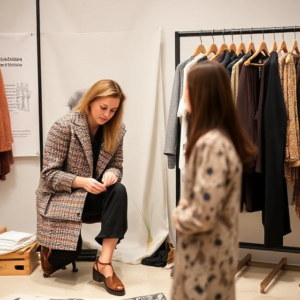
Key Responsibilities of a Sustainable Fashion Advisor:

  1. Consumer Education on Eco-Friendly Fashion
    The advisor’s primary responsibility would be educating consumers about the environmental impact of fashion, including issues like overproduction, waste, and textile pollution. This involves explaining the benefits of choosing sustainable fabrics (such as organic cotton, hemp, or recycled polyester), supporting ethical brands, and embracing second-hand or upcycled clothing. The advisor would help consumers understand how to identify certifications like Fair Trade or GOTS (Global Organic Textile Standard) to make informed purchasing decisions
  2. Curating Sustainable Wardrobes
    A significant aspect of the role would be to help clients build sustainable wardrobes. This includes advising on how to mix and match eco-friendly pieces, prioritize versatile, long-lasting items, and opt for timeless designs that avoid the need for constant replacements. The advisor would also recommend brands and retailers who prioritize sustainability, offering options that align with the client’s personal style and values.
  3. Brand Consultation and Strategy
    For fashion brands looking to transition to more sustainable practices, a Sustainable Fashion Advisor would offer strategic advice on sourcing materials, adopting circular fashion models, and reducing waste. The advisor would assist in designing collections that use eco-friendly processes, such as slow fashion techniques, or focus on ethical production methods. This might also include helping brands implement take-back programs, where consumers can return worn clothing to be upcycled or recycled.
  4. Promoting Clothing Care and Longevity
    Teaching clients how to care for their clothing to extend its lifespan is another key responsibility. By educating consumers on proper washing, storing, and repairing techniques, advisors can help reduce the need for constant replacements, which is a significant contributor to fashion waste. Additionally, sustainable fashion advisors may recommend repair services or guide clients on how to DIY small fixes, such as sewing on buttons or patching up small tears.
  5. Sustainable Styling Advice
    The advisor would combine an understanding of fashion trends with a focus on sustainability, helping clients achieve modern, stylish looks using eco-friendly clothing. They would offer tips on how to create trendy outfits without falling into the trap of fast fashion or impulse buying. This includes showing how to integrate pre-loved, vintage, or sustainably made clothing into everyday looks.

Collaborations and Partnerships
A Sustainable Fashion Advisor might collaborate with other organizations and influencers to promote sustainability in fashion. This could include partnering with eco-friendly fashion events, advocating for sustainable policies, or creating awareness campaigns about fashion’s environmental impact. Advisors could also create partnerships with local tailors, upcycling businesses, or even charities to support sustainable practices in the community.

Key Skills and Knowledge for a Sustainable Fashion Advisor

  • In-depth Knowledge of Sustainability: An advisor must be well-versed in sustainability topics, from eco-friendly materials to the circular economy, understanding how each aspect of fashion contributes to environmental issues. 
  • Fashion Expertise: A strong grasp of fashion trends, styling, and personal branding is essential to guide clients in making eco-friendly but stylish choices. 
  • Communication Skills: The ability to explain complex sustainability issues clearly and persuasively is crucial, as the advisor needs to engage clients, brands, and stakeholders. 
  • Networking and Collaboration: Building relationships with sustainable brands, designers, and other experts in the field will be vital for providing clients with the best eco-friendly options.

Benefits of Sustainable Fashion Advising:

  1. Environmental Impact: By promoting sustainable choices, the advisor helps reduce waste, carbon emissions, and the exploitation of natural resources. 
  2. Consumer Empowerment: Consumers become more conscious of their purchasing power and can make choices that align with their values, empowering them to take part in environmental protection. 

Brand Loyalty and Growth: As sustainability becomes an increasingly important factor for consumers, brands that align with eco-conscious principles can build stronger loyalty and tap into a growing market of environmentally aware shoppers.