
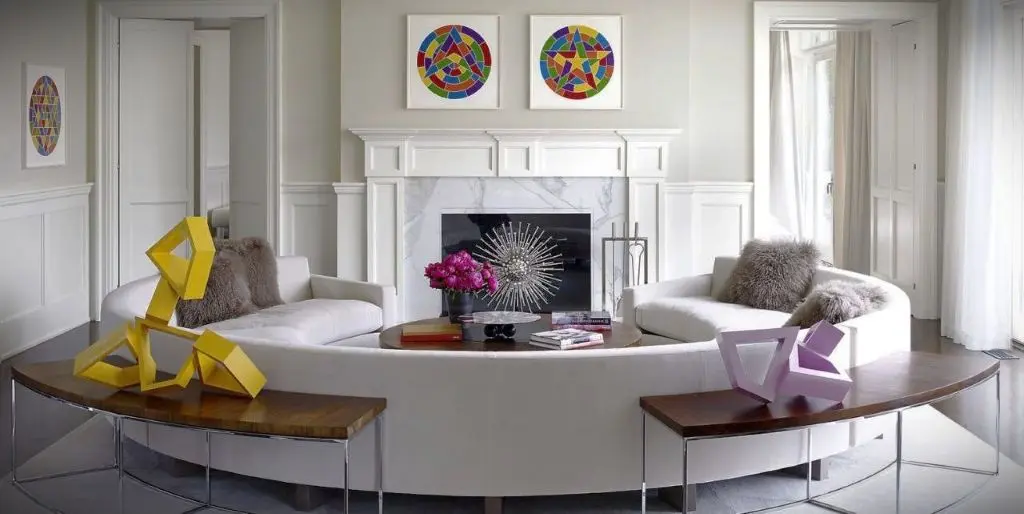

I used to think “matching my aesthetic” meant I needed better objects. I chased the look with a new rug, a warmer lamp, and a chair that felt like it came from a magazine photo. I set rules for myself. I picked a color palette, and I stuck to it. I chose materials that looked calm and felt good in my hands.
I got close. Then I would walk into the room and feel something was still off.
The room looked clean. The room did not feel clean.
I noticed it most at night. The light looked soft, but the air felt stale. The couch looked fresh, but a musty smell showed up after rain. The shelves looked styled, but dust sat on them again two days later. I also felt hot in one corner and cold in another, even though the thermostat said the house was “fine.”
I did not know it yet, but the air was the last piece.
I started with the visible stuff, like most people do
I began with the parts that show up in photos. I started with furniture because furniture sets the tone fast. I bought a few pieces, and I chose pieces with better shape. I avoided anything that felt bulky. I picked one “anchor” item per room, and I kept the rest simple.
I made one mistake early. I bought a coffee table that looked great online. It looked flat in my living room. The wood tone fought my floors. I learned a basic lesson that saved me later: I need to test big choices in my real light.
So I worked on lighting next.
Lighting gave me the mood, but it did not fix the feeling
Lighting changed everything. Lighting also showed me what I did not want to see.
I switched my bulbs to a warmer temperature. I added a floor lamp near the sofa. I put a small lamp on a shelf for a low glow at night. I used dimmers where I could. I stopped using the overhead light as my default.
The room instantly looked more “me.” The room also revealed dust in the beam of the lamp. I would sit down with a book and see tiny particles float by. I felt like I lived inside a snow globe made of lint.
I laughed the first time I noticed it, because it felt dramatic. Then I noticed it again. Then I started to feel annoyed.
Scent made the space feel personal, but it also exposed a problem
I care about scent. Scent sets memory fast. Scent also makes a home feel lived in, in a good way.
I tried candles. I tried reed diffusers. I tried simmer pots with citrus and herbs. I found a few scents that felt like my style. I liked clean woods, soft musk, and light tea notes.
But I had a weird pattern. The nice scent would sit on top of a stale smell. The stale smell would come back as soon as the candle went out. The stale smell also got worse in certain spots, like the entry closet and the corner near the hallway vent.
I kept thinking I needed a “better” candle. I did not need a better candle. I needed better air.
I chased the perfect clean, but dust kept coming back
I am not a deep-cleaning machine. I am also not a chaos person. I land in the middle. I do small resets often. I do bigger cleaning when I feel behind.
At some point I noticed a loop.
I would wipe the coffee table. I would vacuum. I would feel proud. Then I would see dust again, fast. I would also see dust collect near vents, like the house was pushing it out.
I also noticed another clue. I would wake up with a dry throat some mornings. I would get stuffy after I changed the sheets. I blamed pollen. I blamed my city. I blamed my own habits.
I did not blame the system that moves air through my house.
The temperature problem made the house feel unfinished
I had “good” decor. I did not have consistent comfort.
One room ran warm. Another room ran cold. The bedroom felt fine at bedtime but felt stale by morning. The living room felt breezy near the vent but heavy near the sofa.
The thermostat number looked normal. My body disagreed.
That mismatch matters for aesthetics, even if it sounds odd. A calm room needs calm comfort. A room that looks soft but feels drafty does not feel complete. A room that looks crisp but smells damp does not feel elevated.
I realized I was trying to create a vibe with pillows while ignoring the air that touched my skin.
I avoided the air topic because it felt unglamorous
Air quality does not trend on my mood board. No one pins a photo of “balanced humidity.” People pin linen curtains and limewashed walls.
I also thought air problems came with a big, scary price tag. I assumed I would hear one of these lines: “You need a whole new system.” I did not want that stress. So I delayed the issue.
Then I had a small moment that pushed me.
I hosted a friend for dinner. She walked in and said, kindly, “Do you have a damp smell in here, or is it just the weather?” She did not mean harm. She also did me a favor.
I smelled it too. I had just gotten used to it.
That was the moment I stopped pretending.
I booked an air quality check, and I felt nervous about it
I called Optimized Air out of Volo, because a neighbor had used them. I asked for an air quality assessment and a tune-up. I used plain words. I said, “The house looks clean, but smells musty sometimes, and the temperature feels uneven.”
The person on the phone did not talk like a salesperson. That helped. They gave me a time window, and they showed up when they said they would.
I still felt awkward. I worried they would judge my home. I worried they would find nothing and make me feel silly.
That did not happen.
What the visit looked like, in simple terms
The tech asked a few direct questions. He asked when I last changed my filter. He asked if I had pets. He asked if I saw dust near vents. He asked if the musty smell showed up after rain or after the AC ran.
Then he checked the system. He looked at the indoor unit and the outdoor unit. He checked airflow at vents in different rooms. He checked the drain line. He looked for signs of moisture issues. He also talked about humidity and how it can affect smell.
He explained things in a way I could follow. He did not use big words to sound smart. He used clear cause-and-effect statements.
That mattered to me because I needed to trust the fix.
The “small” fixes made a big difference
My situation did not require a dramatic overhaul. My home needed basic care that I had skipped.
The tune-up covered the kind of things most people do not think about until something breaks. He cleaned components that had built up grime. He checked the parts that help the unit run at the right level. He also helped me pick the right filter level for my system and my goals.
He also pointed out a habit problem. I was not changing filters often enough for my space. I was also buying a filter that was not a good match. I thought “more filtering” always meant “better.” That is not always true. Some filters can reduce airflow if the system is not set up for them.
He gave me a simple schedule I could follow. He told me what to watch for. He made it feel doable.
The musty smell had a real source
The musty smell did not come from my sofa. The musty smell did not come from “old house vibes.” The musty smell came from moisture and airflow issues that let odor linger.
In my case, the fix came from cleaning, checking drainage, and correcting a few settings and maintenance gaps. Your case can differ, but the pattern often stays the same. Smell usually has a source. Smell usually has a path. Smell usually needs air movement to carry it.
Once the source got addressed, I did not need to mask it with fragrance.
That felt like a relief.
The home started to feel like the photos I wanted to take
After the tune-up and assessment, the change felt subtle at first. Then it felt obvious.
The air felt lighter. The bedroom felt fresher in the morning. The living room felt less dusty. The temperature felt more even. I stopped noticing “that corner” that always felt off.
I also noticed something else. My favorite scents started to smell better.
That sounds silly, but it is real. A clean candle scent in clean air smells smooth. A clean candle scent in stale air smells sharp.
I finally got the feeling I chased with decor. The house looked styled, and the house felt cared for.
What I do now to keep the air aligned with the aesthetic
I treat air like I treat laundry and dishes. I treat it as routine, not as a crisis.
I change filters on schedule. I set a reminder on my phone. I buy the same filter type each time so I do not overthink it. I keep one extra filter in a closet so I do not delay.
I also pay attention to humidity. If the house feels sticky, I notice it. If windows fog, I notice it. If a room smells “closed,” I notice it. I open windows when weather allows, but I also respect that outdoor air is not always clean.
I also book regular maintenance, because I learned a clear lesson. A system can run while it runs poorly. A system can heat and cool while it moves dusty air and holds moisture in the wrong places.
Maintenance keeps the whole experience steady.
Quick signs your air might clash with your “clean home” look
You do not need to panic if you notice one sign. You can use signs as prompts to check basics.
You might have an air issue if you notice a musty smell that returns, dust that builds up fast, rooms that feel hotter or colder than the rest of the house, allergy symptoms that spike indoors, or vents that blow weak air.
You might also notice that you keep adding scent products to “fix” a smell. That can be a hint. Scent can add mood, but scent cannot solve a source problem.
A simple mindset shift that helped me
I used to think of home aesthetic as a visual goal. I now think of home aesthetic as a sensory goal.
A home has light, texture, sound, and scent. A home also has air, and air touches everything. Air carries smell. Air carries dust. Air controls comfort. Air shapes how you sleep and how you focus.
I wish I had learned that earlier, because it would have saved me money on “solutions” that did not solve anything.
A new throw blanket never fixed a draft.
How to bring this up without making it a big project
If you feel the same gap I felt, you can start small. You can change your filter if you have not done it in a while. You can look at vents and see if dust piles up fast. You can notice when smells show up and what triggers them. You can write down which rooms feel off.
Then you can call a local HVAC company and ask for a tune-up or an indoor air quality assessment. You can describe your symptoms in plain language, like I did. You can say, “My house smells musty sometimes,” or “Some rooms feel hotter,” or “Dust comes back fast.”
That is enough to start.
I used [HVAC Company Name], and the process felt simple. The visit gave me answers, not pressure. It also gave me a plan I could keep up with.
The honest ending: air made my home feel finished
I still love the fun parts. I still care about the lamp glow and the clean lines of a sofa. I still like choosing paint samples and switching out pillows with the seasons.
But I now see air as a design element, even if it is invisible. Clean air supports every other choice. Clean air makes “minimal” feel calm, not cold. Clean air makes “cozy” feel fresh, not stuffy. Clean air makes “clean girl home” feel real, not staged.
My home matches my aesthetic now because the air matches it too.